How to sell an apartment: key stages from preparation to closing the deal

Selling an apartment is a process that involves several consecutive stages, from setting the asking price and checking documents to signing the sale agreement and handing over the keys. The procedure and duration of each stage depend on the number of owners, how the property was acquired, whether anyone is registered at the address, the presence of encumbrances, and other factors.
In this article, we will walk through every step of selling an apartment in Kyiv or another Ukrainian city, from the initial valuation to handing over the keys to the new owner.
Apartment Valuation and Setting the Asking Price
The first step is to determine the property's actual market value. An inflated asking price can extend the time it takes to sell and reduce buyer interest, while setting the price too low results in direct financial losses for the owner.
Several factors influence an apartment's value:
The location of the building and neighborhood, transport accessibility, and local infrastructure;
Floor area, layout, and floor level;
Property condition, renovations, furniture, and household appliances;
Year and type of construction, as well as the building's technical condition;
Current demand for similar properties in the specific location.
Relying solely on prices in other property listings can be risky, as advertised asking prices often differ from the amounts buyers and sellers ultimately agree upon. Analyzing recently completed transactions in the neighborhood provides a more accurate basis for valuation.
If owners find it difficult to determine the price themselves, they can consult a real estate agent or an independent property valuer. A specialist considers the apartment's characteristics, current demand trends in the area, and average local property prices.
A formal property valuation is also required for notarizing the sale and purchase agreement. The valuation is carried out by a certified valuer, and the report is entered into the Unified Database of Valuation Reports.
Checking and Preparing Documents
Document checks should begin before the property listing is published. If any issues arise, there may still be time to resolve them before a buyer is found.
The required documents depend on how the apartment was acquired and its current legal status. A standard set typically includes:
Proof of ownership, such as a sale and purchase agreement, deed of gift, certificate of inheritance, or another title document;
A current extract from the State Register of Proprietary Rights to Immovable Property;
Information about encumbrances, including mortgages, seizures, or restrictions on disposal;
Information about individuals registered at the apartment's address;
Documents confirming the consent of co-owners or a spouse to the sale, where required.
The process becomes more complicated when a minor owns or co-owns the apartment. In such cases, permission from the guardianship and custody authority is required to sell the property, and the procedure takes longer.
The exact list of documents should be confirmed with the notary handling the transaction, as requirements may vary depending on the property's ownership history, the number of owners, and the year when ownership was originally registered.
Preparing the Apartment for Sale
Preparing an apartment for sale does not necessarily mean renovating it. Making a good impression often requires only basic improvements: removing unnecessary belongings, clearing the space, and fixing minor household issues such as faulty switches, damaged fittings, or signs of leaks.
Buyers evaluate more than just the floor area and layout. They also consider the overall impression, including lighting, odors, cleanliness of common areas, and the condition of the surrounding grounds.
The apartment should be presented in its best but realistic condition. There is little point in trying to conceal obvious defects, as they are likely to be discovered during the viewing.
Property listing photographs also play an important role. High-quality images taken in natural light create the first impression for potential buyers, often before they call or message the seller. Poor lighting and cluttered backgrounds can reduce interest in the listing.
Publishing the Listing and Finding Buyers
A property listing should answer the buyer's main questions before the first contact. It should include the location, floor area, number of rooms, floor level, condition of the building and apartment, and details about renovations and included appliances.
Promotional phrases such as "the best apartment in the neighborhood" provide little useful information and may undermine trust. It is more effective to highlight features that could appeal to a specific buyer, such as a practical layout, attractive views, a quiet courtyard, or well-developed nearby infrastructure.
Various channels can be used to find buyers, including specialized property listing platforms, social media, and personal recommendations. When an apartment is sold through a real estate agency, the agent can also use their own database of potential buyers.
The choice of marketing channels depends on the property type, price segment, and location. For luxury real estate, private property databases and personal referrals are often more effective.
After publishing the listing, it is important to respond promptly to inquiries and provide accurate information about the property. If the apartment has obvious disadvantages, it is better to disclose them before arranging a viewing. Concealing defects usually wastes time for both parties.
Apartment Viewings and Negotiations
A property viewing is when potential buyers compare the information in the listing with the apartment's actual condition. Before the appointment, it is advisable to air out the rooms, tidy up, and remove anything that could interfere with the inspection.
During the viewing, allow buyers to explore and assess the space independently rather than overwhelming them with unnecessary comments.
You should also be prepared to answer practical questions about the condition of utilities and pipes, maintenance of common areas, utility costs, the reliability of neighbors, and parking availability.
After the viewing, the parties usually begin discussing the terms of the sale. The buyer may offer a lower price or request additional conditions, such as keeping some furniture or changing the date when the apartment must be vacated.
Sellers should determine their minimum acceptable price and the concessions they are willing to make in advance. This helps avoid making rushed decisions under pressure during negotiations.
Agreeing on the Terms of the Sale
Once a buyer has decided to proceed, the agreed terms are usually documented in writing through a preliminary agreement or an advance payment agreement to avoid disputes later.
At this stage, the parties agree on:
The final apartment price and the currency of payment;
The amount and payment procedure for an advance payment or deposit;
How the costs of the notary, property valuer, and real estate agent will be divided;
Deadlines for preparing the remaining documents and the proposed transaction date.
Selling real estate may have tax implications for the seller. The applicable personal income tax and military levy depend on how many properties the seller has sold during the calendar year and how long the apartment has been owned.
It is advisable to confirm the exact tax calculation with a notary or tax consultant before completing the transaction.
Preparing for the Transaction
Before visiting the notary, the parties should confirm the complete list of documents required for the specific transaction.
It is also important to reconfirm the following details before signing the agreement:
The final price and payment method, whether in cash, by bank transfer, or through a notary's deposit account;
The date and time of signing;
How transaction-related expenses will be divided between the parties;
The deadline for vacating the apartment and handing over the keys.
Using a notary's deposit or escrow account is generally considered a safer payment method than handing over cash directly. The funds are released to the seller only after the transfer of ownership has been registered with the state.
Notarizing the Sale and Purchase Agreement
Real estate sale and purchase agreements must be notarized in accordance with Ukrainian law.
Before notarizing the transaction, the notary verifies the parties' documents, the seller's ownership rights, the absence of registered encumbrances, and compliance with the legal requirements applicable to the specific property.
Before signing, both parties should carefully read the agreement and ask the notary to clarify any provisions they do not understand.
After notarizing the agreement, the notary registers the transfer of ownership in the State Register of Proprietary Rights to Immovable Property. At this point, the buyer becomes the legal owner of the apartment.
The physical handover of the property may take place on the day of the transaction or on another date agreed upon by the parties.
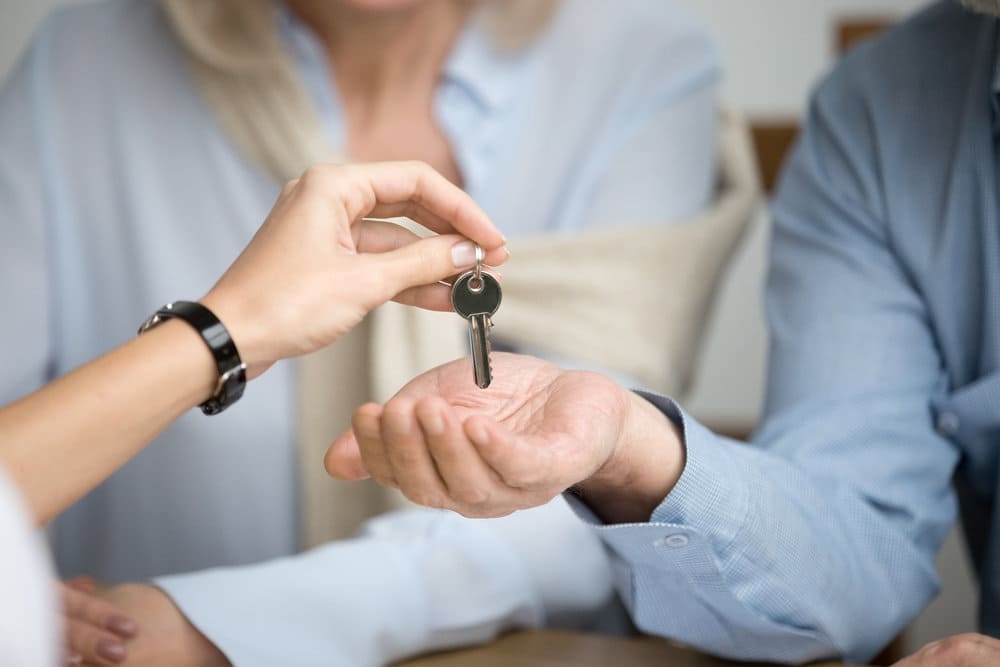
Handing Over the Keys to the Buyer
The final stage is transferring possession of the apartment to the new owner. The parties agree in advance on the date when the property will be vacated and which items will remain, including furniture, household appliances, and built-in wardrobes.
At this stage, it is advisable to prepare a property handover certificate recording the current water, electricity, and gas meter readings, along with an inventory of items included in the sale.
This document helps prevent disputes over responsibility for utility bills relating to periods before and after the transaction.
Before handing over the keys, the seller should remove personal belongings and fulfill all agreements made with the buyer, such as settling any outstanding utility bills.
The buyer then receives the keys and takes physical possession of the apartment, marking the completion of the sale process.