What to look for when renting an office
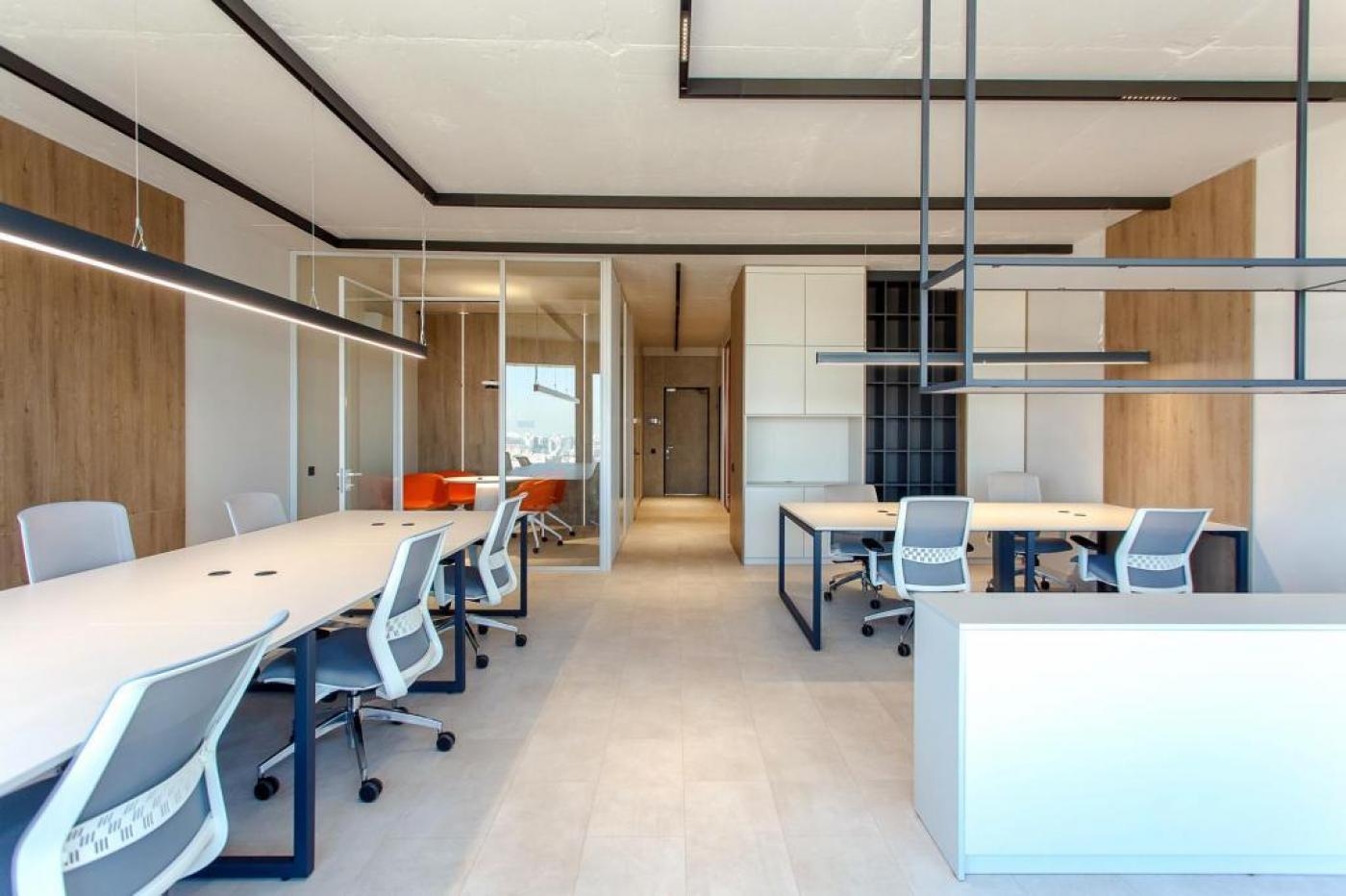

Choosing an office is a crucial step for any company. Employee comfort, business efficiency, customer satisfaction, and operating expenses depend on the location, technical condition of the space, and lease terms.
Many entrepreneurs rely solely on the rental price or appearance of the office, although an attractive price doesn't always mean a good deal. Insufficient parking, poor transportation access, hidden fees, or outdated utility systems can lead to additional expenses in the first few months of operation. To ensure that leasing office space facilitates business growth, it's important to evaluate a wide range of factors in advance. Let's look at the key criteria to consider before signing a lease.
Location and transport accessibility
An office's location determines its convenience for employees, clients, and business partners. Even a modern space can be a poor choice if it's difficult to get to. It's desirable to have public transportation stops, metro stations, convenient interchanges, and access roads nearby. If employees spend a lot of time commuting, it negatively impacts their productivity and job satisfaction.
Location requirements also depend on the specifics of the business:
law firms and consulting firms favor business districts;
medical centers value a convenient location for patients;
IT companies can successfully operate in virtually any part of the city with good transportation access;
businesses involved in logistics or manufacturing value convenient access to major highways.
Parking is also worth clarifying: is the building available, how many spaces are allocated to the tenant, are there guest parking spaces, and is there a fee? For businesses that regularly receive clients, the lack of parking can be a serious drawback. The area's infrastructure is also important. The presence of cafes, banks, pharmacies and shops nearby increases employee comfort and saves their working time.
Area and layout
The office size should meet the company's current needs and accommodate potential staff growth. A space that's too small will quickly become uncomfortable, while one that's too large will lead to unnecessary rent and maintenance costs.
Modern offices are organized in various ways. They can feature a traditional cubicle system, an open space, or a combination of both: the choice depends on the specifics of the work. Open space is ideal for sales and project teams, while legal, finance, or HR departments require separate offices for confidential work. If the company plans to expand or change internal processes, it's important to check with the landlord in advance whether installing additional partitions or remodeling the premises is permitted. Some landlords restrict such changes or require prior approval.
When inspecting the office, it's also important to consider the availability of additional spaces, such as meeting rooms, a kitchen or break area, a server room, an archive and storage area, and restrooms. The better the office fits the company's workflow, the fewer additional costs will be required after the move.
Technical condition of the premises
Even a favorable office location won't compensate for problems with utility systems or the poor condition of the building, so a thorough inspection of the premises is essential before signing a contract. The electrical system, heating, water supply, sewerage, ventilation, and air conditioning should be checked. If you need to use a lot of machinery or specialized equipment, it's important to clarify the permissible electrical capacity. In the current environment, it's worth finding out in advance whether the building has a backup power supply — a generator or uninterruptible power supply — and what their rated load is. This determines whether the business can continue operating during power outages.
For most companies, a stable internet connection is critical, so it's worth finding out in advance which providers service the building, whether there's a backup line, and whether mobile coverage is stable inside the premises. Good natural light has a positive impact on employee productivity and reduces eye strain, so it's also worth paying attention to the quality of artificial lighting.
Additionally, it's worth assessing the condition of the floors, ceilings, walls, windows, doors, and plumbing. If the premises haven't been used for a long time, even cosmetic repairs can be costly.
Safety, infrastructure and amenities
Employee safety and the building's service level are crucial to creating a comfortable work environment. It's important to find out whether there's 24-hour security, access control, video surveillance, and a fire alarm system. It's also important to clarify whether the building has a shelter within the building or within walking distance, and how quickly employees can reach it during an air raid.
Since not all business centers offer 24-hour access, it's important to ensure there are no time restrictions if employees work shifts or frequently stay late. For upper-floor offices, the number and speed of elevators are important. If employees or clients may have disabilities, it's important to check for ramps, wide doorways, and adapted restrooms.
The level of security and range of services are largely related to the business center's class. Class A buildings offer a higher level of engineering systems, security, and additional services, while Class B and C buildings may lack these features in some areas. Modern business centers may have a reception, conference rooms, a cafe, a fitness room, and recreation areas.
Rental prices and conditions
The rental price is based on more than just the base rate listed in the ad, so before signing a contract, it's important to carefully review all financial terms. These include:
Are utilities included?
Is building maintenance paid separately?
Are security and cleaning costs for common areas included?
Who pays for parking?
Are there any additional service charges?
Sometimes a low base rate can be less advantageous than a higher rent with operating costs already included.
It's also important to find out whether there are annual rent increases and how they are calculated. Transparent terms help avoid unexpected financial burdens in the future. A long-term contract provides greater stability and allows for negotiating a more favorable rate, but young companies may prefer a short-term lease with the option to relocate as their business needs change.
It's also worth paying attention to the termination terms. It's a good idea to find out in advance how much notice is required, whether there are penalties, and whether the security deposit is refundable. Before signing a contract, you should make sure that the landlord actually owns the premises or has the legal right to rent it out, check the distribution of repair responsibilities, the responsibilities of the parties, and the procedure for resolving disputes.
Conclusions
Choosing an office isn't just about finding a space with the right size and a competitive price. It's important to comprehensively evaluate the location, transportation accessibility, building condition, security, infrastructure, and legal lease terms.
The office must meet the current needs of the business, provide comfort for employees and clients, and provide opportunities for future growth. Before signing a contract, it's important to carefully examine the property, calculate all future expenses, and ensure there are no hidden fees or restrictions.
Contact us if you need to rent an office in Kyiv — we'll find the best properties to meet all your requirements.